
Spinal Stenosis
Walk farther, sit less, regain function — without surgery for most.
Spinal stenosis is a narrowing of the spinal canal that puts pressure on nerves. The classic lumbar pattern is leg pain or heaviness with walking that improves with sitting or leaning forward. Most patients improve significantly with PT focused on flexion-biased exercise, hip mobility, and progressive walking tolerance.
Understanding
What is Spinal Stenosis?
Spinal stenosis usually develops from age-related changes — disc degeneration, facet joint arthritis, and ligament thickening combine to narrow the canal. The narrowing compresses nerves, especially during extension (standing tall, walking downhill), which is why patients feel relief when they bend forward.
Our PT Approach
How we treat Spinal Stenosis
Evidence-based treatment progressed at your pace, with the goal of durable improvement — not just short-term symptom relief.
Typical Recovery Timeline
Most patients improve walking tolerance and reduce symptoms within 8–12 weeks of structured PT. Stenosis is a chronic condition managed long-term — not 'cured' — but PT can dramatically improve function.
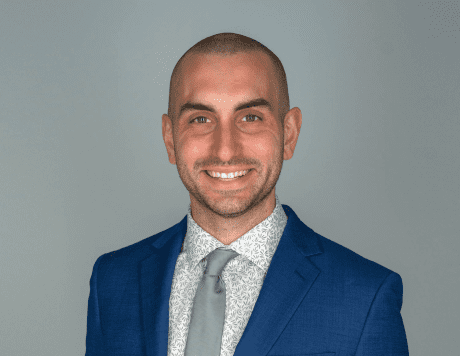
Therapists who treat Spinal Stenosis
Spinal Stenosis — FAQs
Will PT cure my stenosis?
No — stenosis is a structural condition. But most patients can dramatically improve their walking tolerance, pain, and quality of life through PT.
Why does walking hurt but biking is fine?
Biking puts you in a slight forward-flexed position, which opens the spinal canal. Walking upright closes the canal. Patients are often most comfortable on a recumbent bike or treadmill with incline.
Will I need surgery?
Some patients eventually need decompression surgery, but most are managed conservatively for years. Surgery is considered when conservative care fails to maintain function.
Related Conditions
Herniated Disc
Treatment for disc bulges causing nerve compression, pain, and limited mobility through targeted exercises and manual therapy.
Post-Surgical Spine
Structured rehabilitation following laminectomy, discectomy, fusion, or other spinal procedures.
Low Back Pain
Comprehensive treatment for acute and chronic low back pain through manual therapy, exercise, and movement retraining.
Get expert PT for Spinal Stenosis
One-on-one care with a doctor of physical therapy. Same-week new patient slots typically available.