Manual Therapy
Skilled hands-on techniques that unlock movement and reduce pain.
Manual therapy refers to the skilled, hands-on techniques performed by your physical therapist to reduce pain, improve joint mobility, and restore normal tissue function. It's a cornerstone of how we treat — every patient's program includes manual therapy as part of the active treatment session.
What We Treat
Conditions addressed by Manual Therapy
Treatment Approach
What we do in Manual Therapy
Joint Mobilization
Graded oscillatory or sustained pressure applied to specific joints to restore normal accessory motion.
Soft Tissue Mobilization
Manual techniques applied to muscle, fascia, and tendons to reduce tension and restore tissue mobility.
Myofascial Release
Sustained pressure on the fascial system to address restrictions in the connective tissue.
Instrument-Assisted Soft Tissue Mobilization (IASTM)
Specialized tools (sometimes called Graston) used to address scar tissue, fibrosis, and chronic soft tissue restrictions.
Trigger Point Release
Targeted pressure on hyperirritable nodules in muscle to reduce referred pain.
What to Expect
Your visit, step by step
Assessment
Identifying which joints, muscles, or fascial structures are limiting your movement or driving symptoms.
Hands-On Treatment
10–25 minutes of skilled manual therapy as part of each session, integrated with active exercise.
Active Reinforcement
Manual gains are reinforced with movement and exercise to keep the changes durable.
Typical Timeline
Manual therapy is one part of a comprehensive treatment plan. Expect noticeable mobility and pain improvements within 2–4 sessions.
Meet Your Team
Manual Therapy specialists
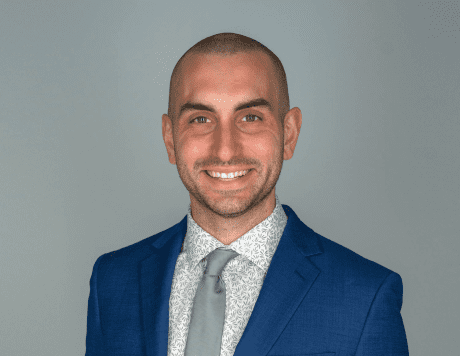
Daniel Kaminski, PT, DPT
Director of Physical Therapy · Founder
Director of Physical Therapy and founder of Axis Physical Therapy. 10+ years of outpatient experience across seven states, with deep expertise in post-operative care, acute orthopedic injuries, sports medicine, chronic pain, and complex neurological and vestibular disorders.

Tanvi Pandya, PT, DPT, CSCS
Physical Therapist
Doctor of Physical Therapy and Certified Strength and Conditioning Specialist (CSCS). Performance-driven approach to help patients improve strength, movement, and confidence in their daily activities.
Manual Therapy FAQs
Is manual therapy the same as massage?
No. Massage is generally relaxation-focused and broad. Physical therapy manual techniques are specific, dosed, and selected based on the diagnosis — joint mobilization, IASTM, and myofascial work are not interchangeable with massage.
Will manual therapy hurt?
Most manual therapy is well-tolerated and often immediately relieving. Some techniques (like trigger point release or IASTM) involve discomfort during the technique that resolves quickly.
How is this different from chiropractic adjustments?
Chiropractors typically perform high-velocity manipulations; PTs use a wider range of techniques including graded mobilizations, soft tissue work, and IASTM. Different tools, different evidence base, sometimes complementary.
Can manual therapy alone fix my problem?
Rarely. Manual therapy unlocks mobility and reduces pain, but the changes only stick when paired with the right exercise and movement retraining. That's why every session combines both.
Ready to Start Manual Therapy?
Schedule an evaluation today — same-week new patient slots typically available at both Plano offices.