
Vestibular Rehabilitation
Resolve vertigo, dizziness, and balance disorders.
Vestibular rehabilitation treats inner-ear and brain-based balance disorders — vertigo, dizziness, motion sensitivity, post-concussion symptoms, and chronic imbalance. Evidence-based protocols (canalith repositioning, gaze stabilization, habituation, balance retraining) restore normal vestibular function.
What We Treat
Conditions addressed by Vestibular Rehabilitation
Treatment Approach
What we do in Vestibular Rehabilitation
Canalith Repositioning (Epley / Semont)
Specific positional maneuvers that resolve BPPV — often eliminating vertigo in one to three sessions.
Gaze Stabilization Exercises
Vestibular-ocular reflex training to reduce dizziness with head movement.
Habituation Exercises
Calibrated repeated exposure to provocative movements to desensitize the vestibular system.
Balance Retraining
Progressive balance challenges to restore stability and reduce fall risk.
Cervical-Vestibular Integration
Treatment of neck contributions to dizziness and unsteadiness — particularly important post-concussion.
What to Expect
Your visit, step by step
Vestibular Assessment
Comprehensive testing of inner ear, vestibular-ocular reflex, balance, and gait.
Targeted Treatment
Treatment matched to the specific diagnosis — BPPV often resolves in 1–3 visits; vestibular hypofunction usually 4–8 weeks.
Functional Independence
Home program for ongoing balance and vestibular health.
Typical Timeline
BPPV: 1–3 sessions. Vestibular hypofunction / post-concussion: 4–8 weeks. Chronic imbalance: 8–12 weeks.
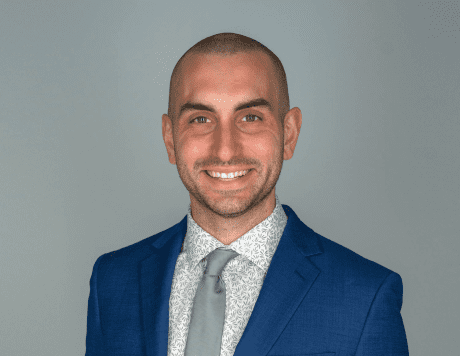
Meet Your Team
Vestibular Rehabilitation specialists
Available In
Vestibular Rehabilitation across the DFW Metroplex
Vestibular Rehabilitation in Plano, TX
Axis PT Clinic
Vestibular Rehabilitation in Frisco, TX
Service Area
Vestibular Rehabilitation in McKinney, TX
Service Area
Vestibular Rehabilitation in Dallas, TX
Service Area
Vestibular Rehabilitation in Richardson, TX
Service Area
Vestibular Rehabilitation in Allen, TX
Service Area
Vestibular Rehabilitation FAQs
What's BPPV and how do you treat it?
Benign Paroxysmal Positional Vertigo is caused by displaced calcium crystals in the inner ear. The Epley maneuver — a specific sequence of head positions — repositions the crystals and resolves the vertigo, often in a single visit.
Why am I still dizzy months after my concussion?
Persistent dizziness after concussion usually has vestibular and/or cervical components that need targeted rehabilitation. Most post-concussion dizziness responds well to vestibular PT once the right diagnosis is made.
Can vestibular PT help motion sensitivity?
Yes. Habituation exercises systematically desensitize the system to motion provocations. Most patients see significant improvement within 4–6 weeks.
Do I need a doctor's referral first?
Texas allows direct access to PT, but vestibular conditions sometimes need ENT or neurology evaluation first to rule out other causes. We can help triage and refer if needed.
Will my insurance cover this?
Most plans cover medically necessary vestibular PT under standard PT benefits. We verify coverage before your first visit.
Ready to Start Vestibular Rehabilitation?
Schedule an evaluation today — same-week new patient slots typically available at both Plano offices.